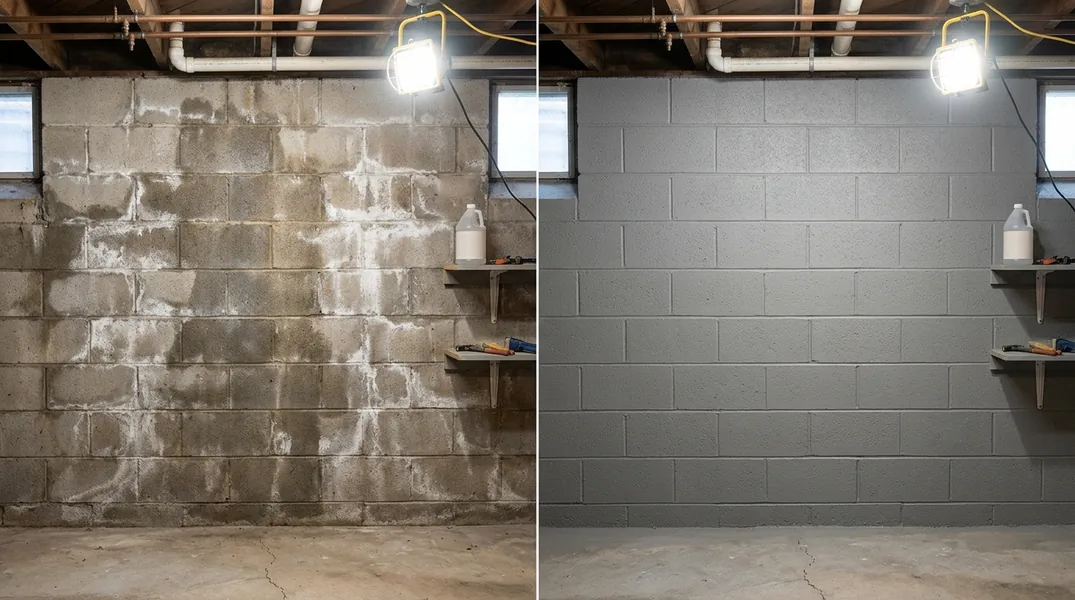
Why Lincoln Basements Are Vulnerable After Prairie Thunderstorms
Prairie thunderstorms roll across Lincoln with little warning, dumping inches of rain in minutes. The ground here is a mix of clay and silt that absorbs water slowly, so runoff overwhelms storm drains and saturates the soil around your foundation. When the soil can't hold any more moisture, water finds the path of least resistance: your basement. Homeowners near Salt Creek know this pattern well, because Salt Creek flooding can back up into neighborhoods even when the rain has stopped.
That is why a Lincoln flash flood basement situation often develops after the storm has passed. Hydrostatic pressure builds against your foundation walls, and water seeps through cracks, cove joints, or porous concrete. If your home has an older foundation or a poorly graded yard, the risk climbs fast. Knowing what to check first can mean the difference between a minor damp spot and a full flooded basement cleanup.
First 30 Minutes: What to Check in Your Basement
As soon as it is safe to go downstairs, grab a flashlight and look for standing water, dampness, and discoloration. Start at the perimeter: check the base of the walls, the floor near the cove joint, and any floor drains. If you see water pooling near the drain, it may be backing up from the city system rather than seeping through the foundation. Sniff the air too. A musty smell after a storm is a strong signal of hidden moisture behind drywall or under carpet.
Next, inspect windows and window wells. A clogged well can fill with rainwater and leak through the frame. Look at your water heater, furnace, and any stored boxes sitting directly on the floor. Move valuables off the ground immediately, even if the floor is only damp. If you find active water coming through a crack, do not try to patch it from the inside while the storm is still draining. That is the moment to call free estimate help from Lincoln Waterproofing at (531) 229-0952 and get professional eyes on the problem before it spreads.
Flooded Basement Cleanup: Safety and Immediate Steps
If you have standing water, safety comes before cleanup. Do not wade into a flooded basement if there are electrical outlets, appliances, or a panel box near the water. Shut off power at the breaker only if you can reach it without stepping in water. Once the area is safe, document everything with photos for your insurance claim, then start removing water with a wet/dry shop vac or a sump pump if you have one. Open windows and run fans to begin drying, but understand that humid air can slow the process, so a dehumidifier is your best friend for the next 48 hours.
Mold can begin growing within 24 to 48 hours on wet drywall, carpet, and wood framing. Pull up soaked carpet and padding, discard saturated cardboard, and wipe down hard surfaces with a mild detergent solution. If the water came from outside, treat it as contaminated and wear gloves and boots. For serious flooding, especially after Salt Creek flooding, professional flooded basement cleanup is safer and faster. Lincoln Waterproofing can assess the moisture, recommend drying equipment, and identify whether your foundation needs repair before the next storm.
Flood Prevention: Stop the Next Storm From Getting In
Once the water is gone, the real work begins. Flood prevention starts outside. Check that your gutters are clear and that downspouts discharge at least six feet away from the foundation. Look at the grade of your yard: soil should slope away from the house, not toward it. If you have window wells, keep them clear of leaves and consider covers. These low-cost steps reduce the volume of water that reaches your foundation during the next prairie downpour.
For persistent problems, a more permanent solution is Basement Waterproofing tailored to your home. That might mean an Interior Drain Tile System that captures seepage and routes it to a sump, or Exterior Basement Waterproofing that addresses the source by sealing the outside of the foundation and improving drainage. In many cases, Foundation Waterproofing combines both approaches. Homeowners in nearby Waverly and Hickman face the same clay soils and storm patterns, so the right fix depends on your specific foundation, not a one-size-fits-all kit.
Basement Waterproofing Near Me: When to Call a Pro in Lincoln
You should call a professional when you see recurring dampness, efflorescence (the white powdery stain on concrete), or water returning after every heavy rain. If your sump pump runs constantly or your basement smells musty even when dry, those are signs that water is finding a path you cannot see. A pro can trace the source, check your drainage, and recommend a solution that fits your budget. Lincoln Waterproofing serves homeowners across Lincoln and surrounding communities, including Bennet, and offers clear pricing before any work begins.
Do not wait for the next storm to test your basement. A small seep today can become a flooded basement tomorrow, especially with the flash-flood potential of prairie weather. Call Lincoln Waterproofing at (531) 229-0952 or request a free estimate online. A thorough inspection now is the most affordable way to protect your home, your stored belongings, and your peace of mind when the next thunderstorm rolls through.
Looking for a professional basement waterproofing contractor in Lincoln? Lincoln Waterproofing responds fast for all your basement waterproofing needs.
Get a Free QuoteOur services: Basement Waterproofing · Interior Drain Tile System · Exterior Basement Waterproofing